A Demo Is a Doorway: What Britain’s Magazine Discs Still Teach Us About Discovery
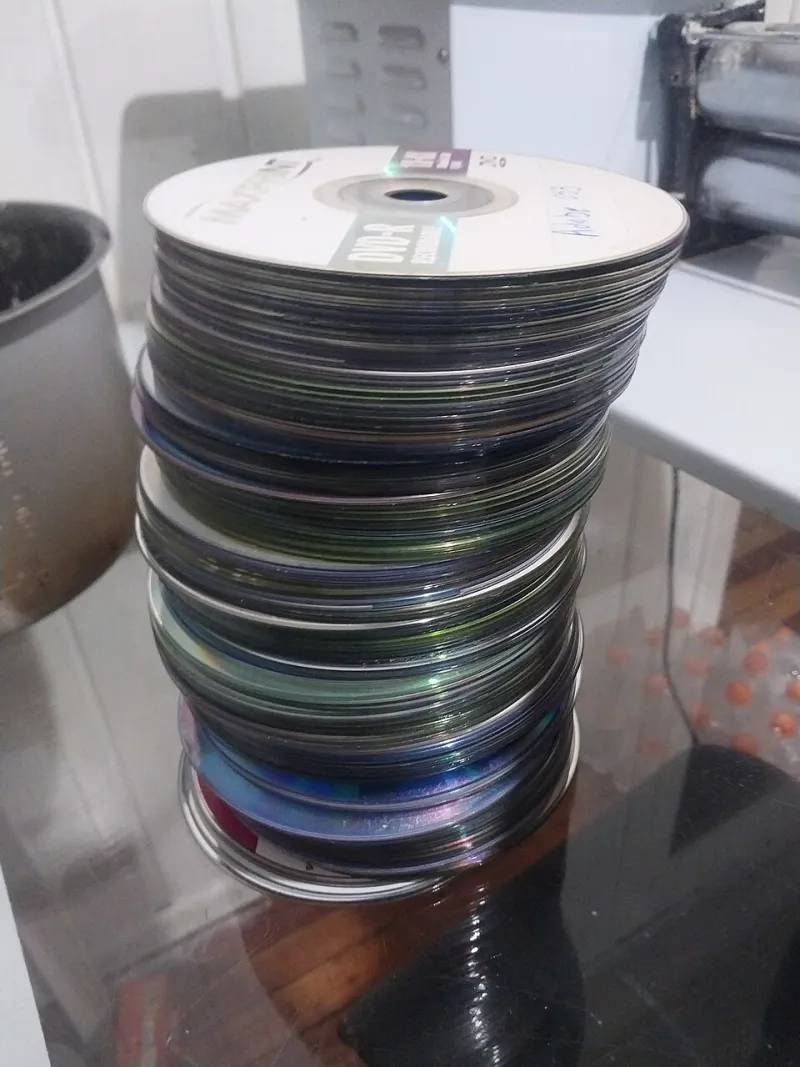
Photo: KittyTeggie, CC0, via Wikimedia Commons
There was a particular noise to a demo disc coming loose in its paper sleeve. Not a crash, not quite a rattle — more of a dry little shuffle, like the magazine was clearing its throat. You would be standing in WHSmith or a cramped local newsagent, trying to work out whether the cover game was worth your pocket money, and there it was: a free disc promising a slice of something you had not yet decided to care about.
That was the deal, wasn’t it? The magazine sold you the news. The disc sold you the chance to find out for yourself.
The drawer by the telly
Most British gaming households had a drawer like this. Maybe it was under the telly, maybe it was in the sideboard, maybe it was the top shelf of a bedroom cupboard that also held three dead remote controls and a camcorder lead. In it lived a stack of demo discs in smudged plastic sleeves, each one a tiny sample platter of whatever the magazines had been sent that month.
They were not trailers. That is the important bit. A trailer asks you to watch. A demo asks you to hold a pad. You could read a preview and still be unsure, but ten minutes with a demo told you something no screenshot could: whether the camera made you queasy, whether the combat had weight, whether the menu music was going to live in your head for a fortnight.
And because the demo had cost you nothing beyond the magazine, you tried things you would never have bought. A tactical shooter. A French racing game. A puzzle title with a title you could not pronounce. The demo disc was a low-stakes invitation to be a slightly different kind of player for an afternoon.
A playground with a disc drive
The social side was just as important. Demo discs moved through schools like contraband, except the contraband was usually legal and occasionally came with a cheat code printed on the sleeve. You would swap them at break, argue about which one was better, and promise to bring in the disc with the football game that had the really good celebration animation.
The kid who had the latest Official PlayStation Magazine disc was briefly a curator. Not because they were rich or especially knowledgeable, but because they had the goods. That is a very British kind of playground economy: no shopfront, no algorithm, just a recommendation delivered with a shrug and the words, “go on, try that one.”
Looking back, those discs were doing something the modern games industry spends enormous amounts of money trying to replicate. They were creating taste through contact. You did not know you liked management sims until a demo dropped you into one with a timer and a cheerful little spreadsheet. You did not know you could tolerate a horror game until the demo ended just before the bit that would have ruined your evening.
What the demo actually taught us
The demo disc taught British players to be curious on a budget. It also taught us that not every game needs to be finished to be understood. Sometimes you only need one level, one race, one boss fight, one strange little slice to know whether the full thing deserves your time.
There was frustration, of course. Demos that ended mid-jump. Demos with save files disabled. Demos that were clearly three years old by the time they reached the sleeve. But the frustration was part of the ritual. It made the full game feel like an achievement rather than a purchase.
And there was something quietly democratic about it. A demo did not care whether you had the newest console or the hand-me-down one. It did not ask you to pre-order. It did not fill your screen with a battle pass. It just said: here is a bit of the game, have a go.
From sleeve to storefront
In 2026, the demo has not disappeared. It has simply changed clothes. Steam Next Fest rolls around with hundreds of playable slices. The Nintendo eShop is full of demos, some generous, some stingy. PlayStation and Xbox offer trials and free play days. EGX and other UK events put controllers in hands before release. There are more ways to try before you buy than ever.
But more is not automatically better. A storefront demo can feel like a sample in a supermarket: useful, but oddly lonely. Steam Next Fest is brilliant and overwhelming in equal measure. You can lose an evening to a dozen demos and come away unable to remember which one had the nice art style and which one had the crafting menu.
The old magazine disc had one advantage that no algorithm can quite match: it was curated by a person, or at least by a magazine office with a sense of humour and a deadline. It arrived with context. You knew why it was there. You knew someone had decided it was worth your attention.
Why the demo still matters now
Games cost more than ever. A full-price release in the UK is a proper decision, not an impulse buy, especially when the rent is doing what rent does. A good demo is not just a marketing tool; it is a sensible way for players to spend their money with a bit more confidence.
It is also one of the best things that can happen to an indie game. A small studio may not have a huge advert budget, but a playable slice can travel through group chats and forum threads faster than any poster campaign. The demo becomes the recommendation. The recommendation becomes the sale.
So is the demo still the best way to discover a game in 2026? For certain players, yes. It is still the closest thing to borrowing a game from a mate without having to give it back. It is still the cheapest way to find out whether a genre you have ignored for years might actually be your thing.
But the demo works best when it is treated as a doorway, not a conveyor belt. The plastic sleeve may be gone, but the habit remains. Try the strange one. Try the one with the ugly cover. Try the one your friend will not stop going on about. The best discovery still starts with a controller in your hand and ten minutes you did not plan to spend.