Bin Bags, Broken Seals and Buried Treasure: Britain's Charity Shop Game Hunt
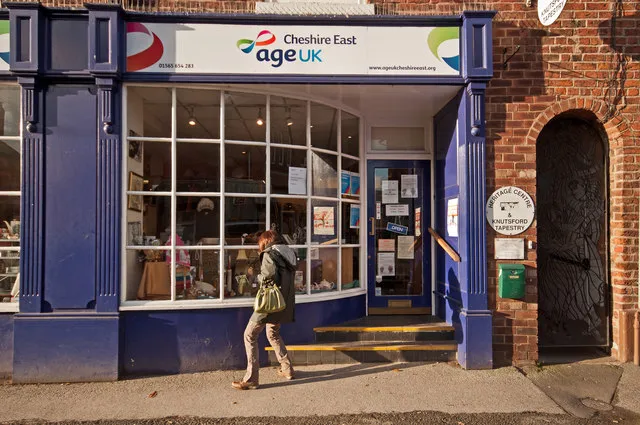
Photo: Roger A Smith , CC BY-SA 2.0, via Wikimedia Commons
There is a particular noise a charity shop game shelf makes when you run a finger along the spines. It is not the clean click of a new case. It is a dry, papery shuffle: cracked jewel cases, sun-faded sleeves, the occasional Xbox 360 box that has spent three years holding up a stack of Danielle Steel paperbacks. For a certain kind of British player, that sound is pure possibility.
The charity shop game hunt is not really about saving money, although it often does. It is about the randomness. You cannot search for it online, set a stock alert or read a review before you buy. You have to be there, in the shop, on the right day, willing to crouch by a low shelf while someone asks a volunteer whether they have any more jigsaws out the back.
Why the scuffed copy beats the shiny storefront
A new release arrives with a marketing plan. A charity shop find arrives with a story. That copy of a forgotten racing game might have a name written in biro inside the manual, a blockbuster sticker on the spine and a disc that looks like it has been used as a coaster. It also might be the only physical copy you have seen in years. In 2026, when so much of our libraries are tied to accounts and downloads, there is something quietly thrilling about holding a game that has already had a life.
The prices help, obviously. A pound for a puzzle game you vaguely remember from a magazine demo disc is a low-risk gamble. But the real appeal is the surprise. You go in for a paperback and come out with a PAL copy of something you would never have thought to search for. That is the charity shop high score: not the most valuable find, but the one that makes you grin on the bus home.
The etiquette of the browse
Charity shops are not conventions. They are volunteer-run spaces, often small, often busy, and the game section is rarely the main attraction. A few rules make the hunt better for everyone. Do not haggle. The price on the sticker is already going to a good cause, and arguing over fifty pence is not the look. If the shop has a testing area, ask before plugging anything in. If there is no testing area, accept that you are buying a lottery ticket with a controller attached.
Put things back roughly where you found them. Do not hide a stack of games behind the knitting patterns while you decide. And if a volunteer says they have a box out the back, be patient. They are doing you a favour, not running a same-day delivery service. The best charity shops for games are usually the ones with a bit of chaos, but chaos still needs manners.
What to check before you pay
Start with the disc or cartridge. Scratches are not automatically fatal, but deep gouges and cloudy patches are a warning. Check that the case actually contains the right game, not a demo disc or a DVD of a forgotten sitcom. Look for manuals and inserts if you care about completeness; in charity shops, they are a bonus rather than a guarantee. For older consoles, check the region code if the shop has one printed on the case. For modern games, remember that online features and downloads may not work as they once did, so treat any code slip as decoration rather than a promise.
It is also worth knowing what you are looking at. A scuffed copy of a popular football game is not a rare artefact. A weird little puzzle title from a defunct publisher might be. If you are unsure, take a photo and look it up when you get signal. Do not stand in the aisle Googling every case while a queue forms behind you. There is a balance between being informed and being a nuisance.
Car boots, village halls and the wider circuit
The charity shop is only one stop on the great British second-hand game circuit. Car boot sales are the wilder cousin: earlier starts, muddier fields, and the distinct possibility that the person selling a box of Mega Drive games also has a lawnmower and a set of golf clubs in the same pile. Village hall table-top sales and community swap events are friendlier, often cheaper, and a good place to meet other players who still like physical media.
At car boots, bundle politely. If someone wants two pounds for one game and you want four, asking for a deal is normal. At charity shops, it is not. At community sales, ask about testing and returns before money changes hands. And always carry cash. A lot of these events still run on notes and coins, not contactless taps.
A quiet act of preservation
There is a wider point beyond the thrill of the find. Every scuffed case rescued from a bin bag is a small act of preservation. Not every charity shop game is a lost classic, but some are, and the ones that are not still deserve better than the tip. The second-hand market keeps older hardware and software in circulation, gives new players a cheap way in and stops perfectly playable games from becoming landfill. In 2026, that feels less like nostalgia and more like common sense.
The charity shop high score is not about building a museum shelf. It is about keeping the habit alive: looking, asking, testing, playing and passing things on when you are done. So next Saturday, pop into the local Oxfam or British Heart Foundation shop. Crouch by the shelf. Ignore the smell of old paperbacks. You might find nothing. You might find a gem. Either way, you have spent twenty minutes doing something better than scrolling.