Left by the Bins: The Unwritten Rules of Britain's Front-Step Game Swap
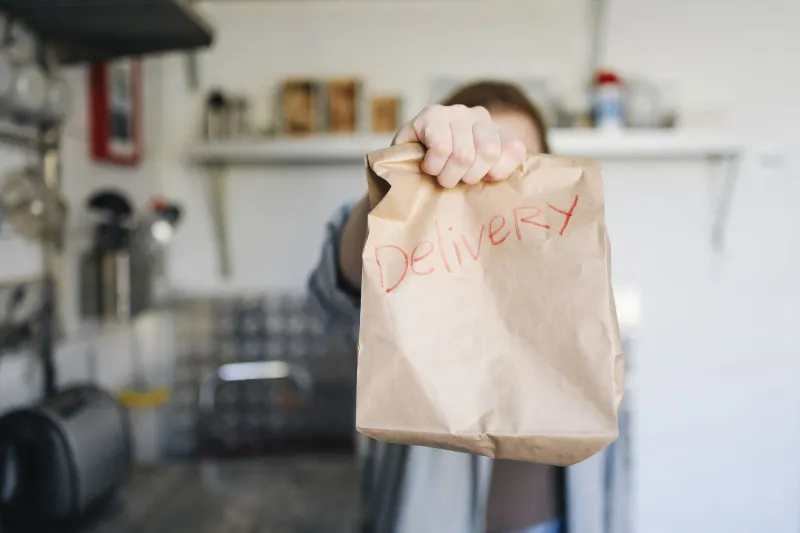
Somewhere in Britain right now, a game is sitting in a carrier bag behind a plant pot. It has been there for forty minutes. The person who left it has already sent a message saying 'it's by the bins, don't let the rain get it', and the person collecting it is pretending not to hurry down the path. This is the front-step swap, and if you have not encountered one yet, you probably will.
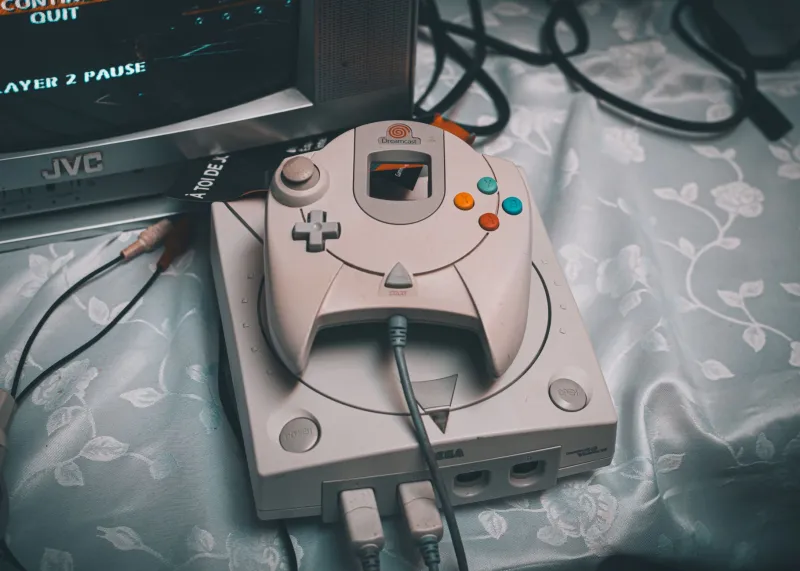
It is not a marketplace. It is not a charity shop. It is a small, quiet system of neighbours, colleagues and group-chat acquaintances passing discs and cartridges around like borrowed sugar. In 2026, with new releases nudging seventy quid and digital libraries feeling less like ownership every month, that bag by the door has become one of the most sensible things in gaming.
The group chat is the new noticeboard
The modern swap network rarely announces itself. It starts as a WhatsApp group with a name like 'Street Games' or 'The Lads' Cartridge Club', or a channel on a workplace Slack that is supposed to be for shift swaps and has slowly become a lending library. Someone posts a photo of three cases on a kitchen worktop. Someone else replies 'dibs on the middle one'. A third person asks if anyone has a spare copy of something for the weekend. Within an hour, a route is planned.
What makes it work is that it is local in a way that online marketplaces are not. There is no postage, no haggling over a fiver, no waiting for a courier to throw a parcel at a wheelie bin. There is just a person you vaguely know, a time, and a place. The group chat is the noticeboard, the catalogue and the contract all at once.
A good swap has a rhythm
The choreography is simple but specific. You offer, someone claims, you agree a drop-off. The game goes in a bag — not a fancy one, just a bag — with a note if you are feeling generous. You take a photo of where you left it, because 'behind the blue pot' means different things to different people. The collector confirms they have it. Later, they confirm they have finished it. Later still, it goes back.
The rhythm matters because it keeps the thing honest. A swap is not a gift, and it is not a sale. It is a loan with a social edge. The person lending knows they will probably get the game back, and the person borrowing knows they are being trusted. That is a different feeling from adding something to a basket and forgetting about it.
Why discs are moving again
There are practical reasons. Physical games can be traded, lent and resold in a way that digital purchases cannot. In a cost-of-living Britain where the weekly shop is a negotiation, a £70 game is a decision, not an impulse. A swap network turns one purchase into three or four experiences. It also keeps older games in circulation — the sort of titles that never go on sale because nobody at the store remembers they exist.
But there is a softer reason too. Handing a game to someone you know creates a tiny bit of obligation and a tiny bit of connection. You are not just consuming a product; you are participating in a small economy of trust. That is why the front-step swap feels less like a hack and more like a habit.
The etiquette, and the awkward bits
Every swap network has rules, even if nobody has written them down. Return it in the same condition. Do not lend it on without asking. Do not leave it in the rain. Do not ghost the group when it is your turn to pass something on. The golden rule is borrowed from the kitchen: return it better than you found it, or at least return it with a thank-you.
The awkward bits are real, though. Sometimes the game is a dud. Sometimes the case has a scratch that was definitely not there before. Sometimes someone offers a copy of something that has been sitting in a drawer since 2019 and expects a hero's welcome. The polite British response is to say 'ah, nice one' and then quietly never borrow from that person again. The less polite response is to start a spreadsheet. Do not start a spreadsheet.
Where the charity shop ends and the swap begins
The charity shop hunt is a one-way treasure trail. You go in, you rummage, you pay two quid, you leave. The swap is a relationship. It has memory. It has a group chat. It has the person who always forgets to return things and the person who always brings a spare controller just in case.
Online marketplaces are transactional too, but they are also distant. The swap is neither. It is a micro-community with a very small postcode. That is why it feels different, and why it tends to survive even when the novelty of a new group chat wears off.
How to start one without becoming the admin nobody wants
Start small. One street, one team, one family group. Pin a few rules at the top: no flogging, no pressure, no leaving things out overnight. Use a shared note or a pinned message rather than a full spreadsheet. Keep it low-effort. The moment it feels like a second job, it dies.
The best swap networks are the ones that do not try too hard. A bag by the door. A message that says 'it's there'. A reply that says 'got it, cheers'. That is the whole system. It works because it is small, and because everyone involved would rather be playing the game than organising the game.
The quiet win
In a year when everything feels a bit expensive and a bit online, the front-step swap is a small, decent thing. It saves money, sure. But it also puts a game in someone's hands who might not have played it otherwise, and it turns a doorstep into a place where something nice happens. That is not a bad legacy for a carrier bag and a WhatsApp message.