The Spreadsheet Is the Trophy: Britain’s Bedroom Speedrunners and the Art of the Honest Run
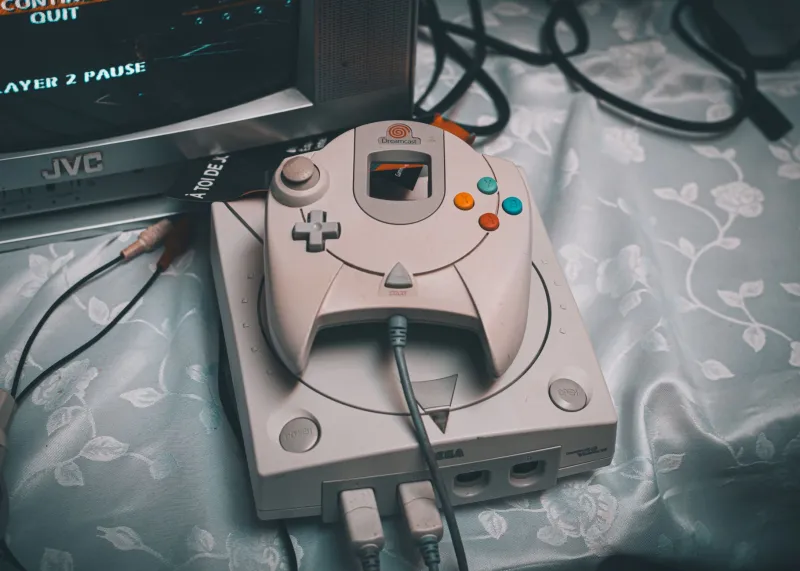
On a wet Friday in Norwich, the most important piece of equipment in the room is not the console. It is a phone, propped on a stack of cookbooks, filming a second-hand CRT television at a slightly wonky angle. The runner is three attempts into a route they have practised for months, the kettle has just clicked off, and somewhere on Discord a moderator is waiting for the footage to land.
This is the less glamorous end of speedrunning, and arguably the more interesting one. No stadium, no commentary desk, no sponsor logo on a hoodie. Just a British bedroom, a game that has been played thousands of times, and a community that treats a personal best with the same seriousness as a world record.
The spare room is the arena
Amateur speedrunning in the UK has always had a make-do quality to it. Runners source CRTs from Facebook Marketplace, car boot sales and the back of a mate’s garage. Capture cards get passed around like borrowed drills. One runner in Sheffield admits their setup is held together by a SCART switcher, a label maker and “a dangerous amount of hope”.
That scrappiness is part of the appeal. A modern speedrun can require expensive hardware, but plenty of British runners are happily working with what they have: a PAL console, a game they know inside out, and a timer on a laptop. The kitchen table becomes the venue. The spare room becomes the studio. The postman becomes an unwanted co-commentator.
“It’s the Sunday league of speedrunning,” says a runner known as HexhamHannah, who has spent much of 2026 working on a no-warp route for a 1990s racer. “Nobody is getting rich. Nobody is getting famous. But you still want your run to be clean, because you know the people watching actually care about the route.”
Records are a group project
The image of the lone speedrunner is only half the story. Behind most amateur records is a small group of volunteers who verify them. They check game versions, load times, splits, video quality and whether the runner has done anything that would make the run invalid. For obscure categories, the paperwork can be as niche as the run itself.
A typical Discord thread might contain a link to a shaky phone video, a screenshot of a timer, a note about a PAL/NTSC difference, and three people politely arguing about whether a certain glitch counts as a major skip. It is not glamorous. It is often slow. But it is also a surprisingly warm way to spend an evening.
“We’re not trying to catch people out,” says BrummieBramble, who moderates a small leaderboard for retro racing games. “We’re trying to make sure the next person who runs the category knows exactly what they’re getting into. If a run is messy but honest, I’d rather have that on the board than a perfect run with no context.”
That ethos has helped create a culture where newcomers can post a first attempt without being mocked. Verified runners will often point out a faster route, a better line or a version difference that could save seconds. The record is the headline; the help is the actual product.
The categories get wonderfully specific
Britain’s amateur scene has a knack for inventing categories that would make a mainstream leaderboard raise an eyebrow. There are PAL 50Hz purist runs, where the slower frame rate is treated as part of the challenge rather than a problem to solve. There are cart-only categories, where the runner has to use whatever battered copy they found in a charity shop. There are no-reset runs, one-hand runs and routes designed around a Sunday roast timer.
One of the more charming examples is a “kettle boil” category for a short puzzle game, where the runner starts the kettle before the first level and has to finish before it clicks off. It began as a joke in a group chat and now has a small but dedicated leaderboard. The current record, according to the community spreadsheet, is held by a runner in Glasgow who claims their secret is “a slightly rubbish kettle and a lot of practice”.
These categories are not silly for the sake of it. They lower the barrier. A runner who cannot afford a high-end setup can still compete in a version that suits their hardware. A player who loves a game but cannot match the world record can still find a corner of the leaderboard where their skills matter. That is the quiet genius of the amateur scene: it keeps finding new ways to make old games feel worth another go.
The verification is the story
What makes the British bedroom speedrunning scene distinctive is not just the runs. It is the record-keeping. Spreadsheets are shared, updated and argued over. Phone footage is scrubbed frame by frame. Moderators write notes for future runners. Someone always knows someone who has a working capture card.
It is easy to laugh at the idea of a shaky video being pored over like evidence in a courtroom drama. But there is something admirable about a community that takes personal bests seriously without taking itself too seriously. The stakes are low. The standards are not.
So the next time you see a CRT listed on Facebook Marketplace for a tenner, spare a thought for the runner who might be eyeing it up. They are not chasing a stadium crowd. They are chasing a clean run, a new personal best and a nod from a Discord thread. In 2026, that is still a very British kind of trophy.