Pennies, Pixels and Salt Air: Why Britain's Seaside Arcades Still Matter
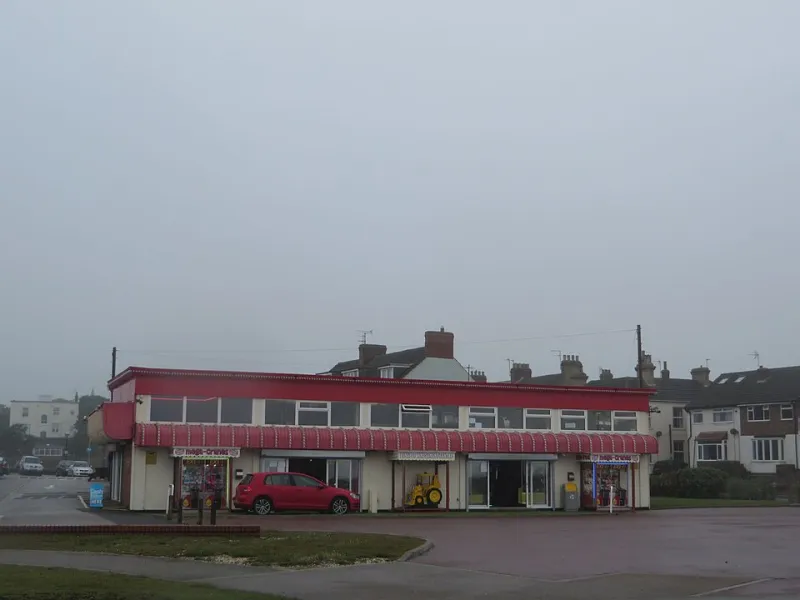
Photo: Graham Robson , CC BY-SA 2.0, via Wikimedia Commons
The first thing you hear is not the sea. It is the clatter of coins. A cascade of copper and silver tumbling through a penny fall, the low hum of a CRT cabinet, the electronic chirp of a claw machine that has definitely been rigged by a man called Keith. Step into one of Britain's surviving seaside arcades and the years fold in on themselves. The carpet is loud. The air is salty and slightly sticky. And somewhere in the corner, a teenager is having the time of their life for 50p.
In 2026, the British seaside arcade is not extinct. But it is not safe either. Rising electricity bills, the cost of repairing old cabinets, shorter seasons and the simple fact that most of us now carry a games console in our pocket have made these places harder to keep open. The ones that remain are often run by families, obsessives and local characters who have decided that a room full of flashing lights is worth fighting for. They deserve more than a nostalgic sigh. They deserve players.
More than a rainy-day diversion
There is a version of the seaside arcade that exists only in memory: a sticky-floored cavern of noise and neon where you spent your holiday money on a machine that never paid out. That version is real, but it is not the whole story. The best arcades are social spaces. They are cheap to enter, they do not require a booking, and they welcome anyone from a six-year-old with a fistful of 2p coins to a forty-something who wants to show off on a Time Crisis cabinet. You do not need to be good. You just need to be there.
That matters. Gaming can feel increasingly private, curated and expensive. A seaside arcade is the opposite. It is public, a bit chaotic and gloriously low-stakes. You can lose a pound in three minutes and not feel robbed. You can watch a stranger nail a high score and feel genuine delight. You can play a machine that is older than you are and discover that the controls are still tighter than half the stuff on your phone.
The economics of a 2p waterfall
The penny fall is the great British equaliser. It is not really about winning. It is about the physics of hope: the slow push, the tantalising overhang, the moment when a whole shelf of coins collapses and you feel like a genius. The machines are simple, mechanical and endlessly repairable, which is part of why they endure. But they are not free to run. Arcade owners talk about electricity, maintenance, insurance and the weather. A wet August can save a season. A heatwave can empty a promenade. A broken change machine can ruin a weekend.
And then there are the video cabinets. A working CRT is a beautiful thing, but it is also a ageing piece of technology that fewer people know how to fix. The owners who keep them running are not just preserving games. They are preserving skills, parts and a whole culture of tinkering. When a cabinet dies, it often dies for good. That is why the difference between a thriving arcade and a closed one is often just a handful of regulars who care enough to turn up.
CRT screens and muscle memory
There is a particular joy in playing an old cabinet the way it was meant to be played. The stick has a weight to it. The buttons have a click. The screen has scanlines and a slight glow that no emulator quite captures. For younger players, it is a history lesson. For older ones, it is muscle memory. You do not think about dodging; you just dodge. You do not remember the high score; your hands do.
That is the thing about seaside arcades: they are not museums. They are playgrounds. You are supposed to touch things, lean on things, make a noise and lose. The best ones smell of chips and sea air and have a machine in the corner that has been broken since 2019 but nobody has the heart to move. They are imperfect, and that is exactly why they matter.
What players can do before next summer
The practical bit is simple. Visit. Spend. Not necessarily a fortune — a few pounds in the change machine is enough — but spend something. Buy a drink. Try the cabinet you have never played. Ask the owner which machine is their favourite. Share the place online. If you live near a seaside town, make it a regular stop rather than a once-a-year treat. If you are on holiday, resist the urge to spend all your entertainment budget in the arcade at the pier and instead find the smaller, scruffier one down the road. It probably needs you more.
And if you are a Gamers' Corner reader with a local arcade you love, tell us about it. We would rather celebrate the places that are still standing than write another lament for the ones that are not. The British seaside arcade is not a relic. It is a living, clattering, coin-operated bit of gaming culture. It just needs someone to put a 2p in.